Proper Hydration and Electrolyte Replenishment: When Does Your Body Need Minerals?
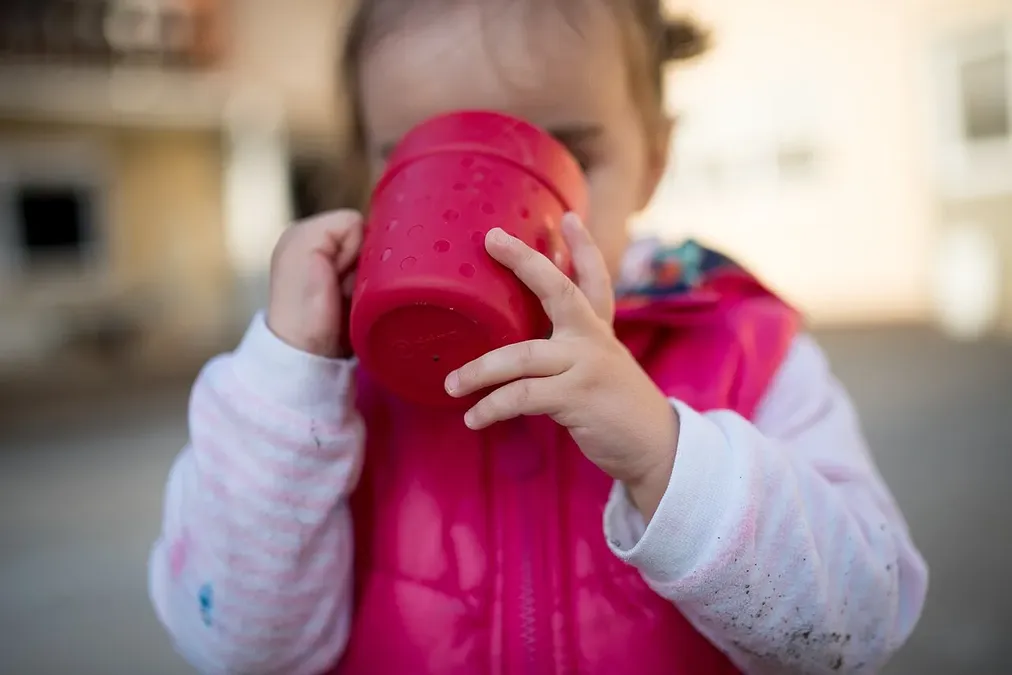
Water makes up 60%–65% of adult body weight and participates in nearly every physiological process: regulating body temperature, transporting oxygen and nutrients to cells, lubricating joints, and clearing metabolic waste via the kidneys. Yet in Vietnam's hot climate or during heavy sweating, drinking plain water alone can still leave you feeling sluggish or crampy due to depleted electrolyte minerals (Electrolytes). This guide explains how to hydrate and replenish electrolytes scientifically.
1. Formula for Calculating Daily Fluid Needs by Body Weight
While “2 liters a day” is an easy rule of thumb, actual fluid needs depend on body weight, activity level, and ambient temperature:
- Baseline formula for sedentary adults: Daily fluid intake (in
ml) ≈ Body weight (kg) × 35 ml. For example, a 55kg adult needs about55 × 35 = 1.925 ml(nearly 2 liters of total fluids per day, including water, soups, and healthy beverages). - During sports or outdoor work in hot weather: For every 30–45 minutes of heavy sweating, add 300ml – 500ml of fluid to replace sweat and respiratory losses.
- Early signs of dehydration: Do not wait until your throat feels parched—thirst only appears after losing 1%–2% of body water. Check urine color: pale straw yellow indicates good hydration, while dark yellow with a strong odor signals an immediate need for fluids.
2. What Are Electrolytes and the Roles of Sodium, Potassium, and Magnesium
When dissolved in body fluids (blood, interstitial fluid, and intracellular fluid), electrically charged minerals are called electrolytes. The three primary ions lost in sweat are:
- Natri (Na+): The primary extracellular ion regulating osmotic pressure, fluid retention in blood vessels, and nerve impulse transmission.
- Kali (K+): The major intracellular ion working alongside Sodium to maintain normal cardiac and skeletal muscle contraction and reduce post-exercise fatigue.
- Magie (Mg2+) and Calcium (Ca2+): Essential for muscle fiber contraction–relaxation and ATP energy metabolism, helping prevent muscle stiffness and cramping during intense activity.

3. When Is Plain Water Enough and When Do You Need Electrolytes?
For light office work in air conditioning with three balanced meals a day, plain purified water is sufficient. However, adding beverages from the Beverages & Refreshments category with electrolytes is especially helpful in these situations:
- During and after gym sessions, running, cycling, badminton, or football lasting over 45 minutes: When sweating heavily, chugging large amounts of plain water too quickly can temporarily dilute blood sodium, causing dizziness and bloating. Electrolyte beverages restore osmotic balance faster.
- When commuting or working outdoors in summer heat: Quickly satisfies Refreshment & Energy without mineral depletion fatigue.
- After sauna sessions or working in high-temperature environments.
4. Distinguishing Herbal Electrolyte Drinks, Medical ORS, and Energy Drinks
Consumers shopping in the Food & Beverages category should distinguish these 3 product types to use them appropriately:
- Daily / Sports Herbal Electrolyte Beverages: Formulated with balanced electrolyte levels and refreshing botanical extracts (such as monk fruit and chrysanthemum with 0g refined sugar), ideal for everyday hydration and workouts.
- Medical Oral Rehydration Salts (ORS): Contains WHO-standardized high Sodium and Glucose ratios to treat dehydration from acute diarrhea or high fever. ORS must be mixed with the exact water volume specified and should not replace everyday beverages.
- Energy Drinks: Typically contain very high refined sugar and Caffeine that stimulate the central nervous system. Energy drinks do not rehydrate—high sugar and caffeine can even act as mild diuretics, increasing thirst afterward.
5. Bảng hướng dẫn lựa chọn hình thức bù nước và điện giải theo mức độ vận động
Tùy thuộc vào thời lượng hoạt động thể chất và điều kiện nhiệt độ môi trường, bạn có thể áp dụng nguyên tắc bù dịch thể và khoáng chất dưới đây:
| Tình huống sinh hoạt / Vận động | Nhu cầu dịch thể khuyến nghị | Loại đồ uống phù hợp | Lưu ý an toàn |
|---|---|---|---|
| Làm việc văn phòng, vận động nhẹ (<45 phút) | Khoảng 30–35 ml nước / kg cân nặng / ngày, chia nhỏ từng ngụm 150–250 ml | Nước lọc đun sôi để nguội, trà thảo mộc thanh nhiệt không đường | Theo dõi màu nước tiểu vàng rơm nhạt là đạt chuẩn đủ nước |
| Tập thể thao cường độ vừa – cao (>45–60 phút) hoặc trời nắng nóng | Uống 250–400 ml trước tập 30 phút; bù 150–250 ml mỗi 20 phút trong lúc tập | Thức uống bù khoáng điện giải (chứa Na+, K+, Mg2+) ít hoặc không đường tinh luyện | Không uống dồn 1 lần quá 700–800 ml nước lọc trắng ngay sau khi vã mồ hôi nhiều |
| Mất nước do tiêu chảy cấp hoặc sốt cao kéo dài | Bù dịch theo mức độ mất nước dưới sự hướng dẫn của nhân viên y tế | Dung dịch Oresol (ORS) pha đúng tỷ lệ nước ghi trên nhãn bao bì | Tuyệt đối không pha gói Oresol quá đặc hoặc dùng nước ngọt có ga để bù nước |
6. When to Consult a Physician?
Routine hydration cannot replace medical care during acute fluid–electrolyte imbalance. Seek immediate medical attention if you experience:
- Moderate to severe dehydration: orthostatic dizziness, rapid heart rate, dry skin, sunken eyes, minimal or no urination for over 6–8 hours, lethargy, or confusion.
- Heat exhaustion or heatstroke (high body temperature, hot flushed skin or cold clammy sweat, widespread muscle cramps with nausea).
- Individuals with underlying hypertension, heart failure, chronic kidney disease, or cirrhosis with ascites on sodium- or fluid-restricted diets must consult their specialist physician before consuming mineral waters or electrolyte beverages.
7. Nguồn tham khảo
- Harvard T.H. Chan School of Public Health — Water — The Nutrition Source (Daily Fluid Intake and Hydration): https://nutritionsource.hsph.harvard.edu/water/
- CDC (U.S. Centers for Disease Control and Prevention) — Water and Healthier Drinks — Healthy Weight and Growth: https://www.cdc.gov/healthy-weight-growth/water-healthy-drinks/index.html
- NHS (UK National Health Service) — Dehydration — Symptoms, Causes and Safe Rehydration: https://www.nhs.uk/conditions/dehydration/
- Harvard T.H. Chan School of Public Health — Potassium and Sodium Balance in Human Physiology: https://nutritionsource.hsph.harvard.edu/potassium/
Gợi ý sản phẩm chính hãng liên quan chủ đề
Các sản phẩm dưới đây đang được phân phối chính hãng tại Lym với đầy đủ thông tin công bố nhãn hàng hóa: