
Science-Backed Sleep Hygiene: 8 Evening Habits and Nutrition for Deep, Natural Sleep
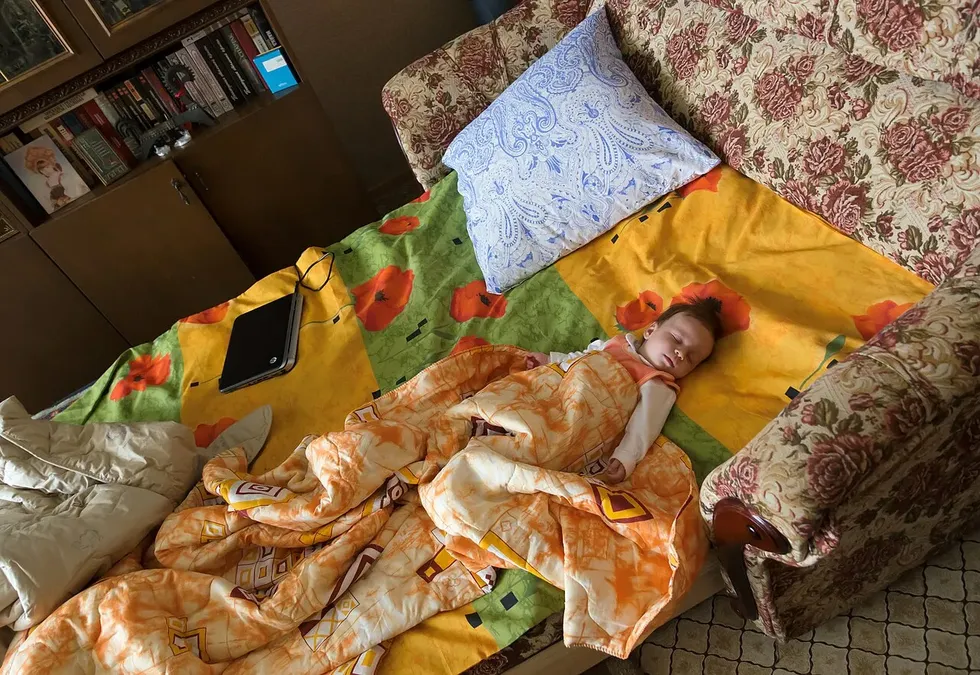
Quality nighttime sleep is not merely passive rest—it is when the brain clears metabolic waste, consolidates memory, and the immune system, muscles, and skin undergo deep cellular repair. Yet late-night screen time, afternoon caffeine, and work stress leave many adults tossing and turning. Practicing Sleep Hygiene is a safe, science-backed method to reset your natural biological clock.
1. The Circadian Rhythm and Sleep Cycles Explained
The human body runs on a 24-hour circadian clock in the hypothalamus, directly regulated by natural light. As evening light dims, the pineal gland increases secretion of Melatonin — the biological signal that gently lowers core body temperature, slows heart rate, and prepares you for sleep.
2. Why Blue Light from Phone Screens Disrupts Sleepiness
Smartphones, tablets, laptops, and LED TVs emit short-wavelength blue light (450–480 nm) resembling midday sunlight. Staring at a phone screen in bed at 10:30–11:30 PM signals your retina and brain that “it is still daytime”.

3. 8 “Sleep Hygiene” Rules to Reset Your Biological Clock
- Keep a consistent sleep and wake schedule: Stick to fixed times (e.g., 10:30 PM to 6:00 AM) even on weekends to train your circadian reflex.
- Get early morning sunlight: 10–15 minutes of natural morning light helps anchor evening Melatonin release on time.
- Disconnect from screens 60 minutes before bed: Put phones away at least 1 hour before sleep and switch to reading a printed book or listening to calm music.
- Optimize your bedroom (Dark – Quiet – Cool): Keep room temperature around 24°C – 26°Cwith blackout curtains and good ventilation.
- Reserve your bed for sleep: Avoid working on a laptop or watching stressful content in bed.
- Limit daytime naps to under 30 minutes: A 15–25 minute nap before 2:00 PM refreshes alertness without reducing nighttime sleep drive.
- Exercise regularly, finishing at least 3 hours before bed: Avoid high-intensity workouts right before bed when core temperature and heart rate are elevated.
- The 20-Minute Rule: If you cannot fall asleep after 20 minutes, get up and read under dim warm light until drowsy before returning to bed.
4. Evening Nutrition: What to Eat and Avoid After 4:00 PM
Afternoon and evening nutrition strongly influences both sleep quality and digestion:
- Stop caffeinated drinks after 3:00–4:00 PM: Caffeine has a half-life of 5–7 hours. Late-afternoon coffee, strong tea, or energy drinks block Adenosine receptors in the brain. In the afternoon, opt for caffeine-free, sugar-free herbal drinks from our Beverages & Refreshments.
- Finish dinner at least 3 hours before bedtime: Heavy, greasy, or spicy late dinners force the stomach to work overtime, causing bloating and acid reflux when lying down.
- Prioritize foods rich in Tryptophan, Magnesium, and B Vitamins: Nuts (almonds, walnuts, pumpkin seeds), oats, bananas, warm milk, and fatty fish supply Tryptophan and Magnesium—natural precursors for Serotonin and Melatonin synthesis that complement Health & Dietary Supplements.
5. Bảng thời lượng giấc ngủ khuyến nghị theo độ tuổi (CDC & NHS)
Theo hướng dẫn của Trung tâm Kiểm soát và Phòng ngừa Dịch bệnh Hoa Kỳ (CDC) và NHS, nhu cầu ngủ mỗi ngày thay đổi theo từng giai đoạn phát triển nhưng luôn đóng vai trò thiết yếu:
| Nhóm độ tuổi | Thời lượng giấc ngủ khuyến nghị / 24 giờ | Thói quen hỗ trợ giấc ngủ sâu trọng tâm |
|---|---|---|
| Trẻ tuổi học đường (6 – 12 tuổi) | 9 – 12 giờ mỗi đêm | Tắt thiết bị điện tử 1 giờ trước khi ngủ; giữ lịch đi ngủ cố định trước 21:30 |
| Thanh thiếu niên (13 – 18 tuổi) | 8 – 10 giờ mỗi đêm | Tránh đồ uống chứa caffeine/năng lượng vào buổi chiều tối; tiếp xúc ánh nắng sáng sớm |
| Người trưởng thành (18 – 60 tuổi) | Tối thiểu 7 – 8 giờ mỗi đêm | Thực hành vệ sinh giấc ngủ (phòng tối, mát 24–26°C, ăn tối trước giờ ngủ ít nhất 3 giờ) |
| Người cao tuổi (Trên 60 tuổi) | 7 – 8 giờ mỗi ngày (kể cả giấc nghỉ trưa ngắn 20 phút) | Vận động nhẹ nhàng ban ngày, hạn chế uống quá nhiều nước sát giờ đi ngủ để giảm tiểu đêm |
6. When to Consult a Physician?
While sleep hygiene resolves lifestyle-related sleeplessness well, consult a neurologist or sleep specialist if you experience:
- Chronic insomnia (difficulty falling asleep, frequent night awakenings, or waking too early) occurring 3+ nights/week for over 1 month and impairing daytime function.
- Loud snoring with breathing pauses (obstructive sleep apnea — OSA), waking with dry mouth, morning headaches, or excessive daytime sleepiness.
- Uncomfortable tingling or restlessness in the legs in the evening relieved only by movement (restless legs syndrome).
- Insomnia accompanied by persistent low mood, severe anxiety, palpitations, or weight loss — never self-medicate with prescription sedatives without a doctor's supervision.
7. Nguồn tham khảo
- CDC (U.S. Centers for Disease Control and Prevention) — About Sleep — Recommended Hours and Sleep Hygiene Practices: https://www.cdc.gov/sleep/about/index.html
- Harvard T.H. Chan School of Public Health — Sleep — The Nutrition Source (Circadian Rhythm, Diet and Health): https://nutritionsource.hsph.harvard.edu/sleep/
- NHS (UK National Health Service) — Every Mind Matters — How to fall asleep faster and sleep better: https://www.nhs.uk/every-mind-matters/mental-wellbeing-tips/how-to-fall-asleep-faster-and-sleep-better/
- NHS (UK National Health Service) — Insomnia — Causes, Self-Care Habits and When to See a GP: https://www.nhs.uk/conditions/insomnia/
Gợi ý sản phẩm chính hãng liên quan chủ đề
Các sản phẩm dưới đây đang được phân phối chính hãng tại Lym với đầy đủ thông tin công bố nhãn hàng hóa:

4 Bottle nuoc gao rang Woongjin 1.5 lit
Original price was: 264.000₫.238.000₫Current price is: 238.000₫.