Essential Pregnancy Nutrition Across 3 Trimesters: Key Nutrients and Safe Food Selection

The 40-week pregnancy journey brings profound physiological and metabolic changes to nourish fetal growth. The outdated notion of “eating for two” by consuming excess refined carbohydrates and sweets has been replaced by modern nutritional science with the principle of “quality over quantity—balancing macronutrients and essential micronutrients across each trimester”. This guide summarizes foundational prenatal nutrition principles to help expectant mothers build a balanced meal plan for optimal fetal development and maternal wellness.
1. Energy and Nutrient Requirements Across All 3 Trimesters
1.1. First Trimester (Months 1–3 — Weeks 1 to 12)
1.2. Second Trimester (Months 4–6 — Weeks 13 to 27)
As morning sickness subsides, the fetus enters rapid skeletal, brain, and muscle growth. Maternal caloric intake should increase by about +250 kcal/day (equivalent to a healthy snack of unsweetened milk with a small serving of nuts/oats), alongside an extra 15g of protein per day from lean meat, well-cooked fish, eggs, and legumes.
1.3. Third Trimester (Months 7–9 — Week 28 to Delivery)
This is the period of fastest fetal weight gain, brain and lung maturation, and iron/calcium storage. Daily energy needs increase by about +450 kcal/day with an extra 18g–30g of protein per day. Prioritize slow-digesting complex carbohydrates and leafy greens while limiting sweets to prevent gestational hyperglycemia.
2. 5 Essential Prenatal Micronutrient Groups Recommended by Health Authorities
Throughout pregnancy, the demand for micronutrients in the Vitamins & Minerals category rises faster than caloric needs:
- Folate (Acid Folic / Vitamin B9): Plays a vital role in DNA replication and neural tube closure during the earliest weeks. Folate-rich foods include dark leafy greens (spinach, broccoli), legumes, avocados, and whole grains.
- Iron and Vitamin C: Maternal blood volume increases by 40%–50% during pregnancy, requiring substantial iron for hemoglobin synthesis. Pairing iron with Vitamin C-rich foods (oranges, pomelo, guava) enhances iron absorption and supports Immunity Boost.
- Calcium and Vitamin D3: Essential for fetal bone and tooth mineralization while preserving maternal bone density.
- Zinc and Iodine: Involved in cell division, protein synthesis, and fetal neurological development.
- Omega-3 Fatty Acids (DHA/EPA): Abundant in low-mercury cooked ocean fish (salmon, herring) and as plant-based ALA in walnuts and chia seeds.

3. High-Fiber Healthy Snacks to Relieve Constipation and Manage Weight
Constipation and bloating are common during pregnancy due to hormonal changes ( Progesterone ) slowing gut motility, combined with uterine pressure and daily iron/calcium supplements. To support natural Digestive Support :
- Replace sugary snacks with items from the Nutritious Foods category such as whole-grain oats, almonds, cashews, and walnuts paired with unsweetened yogurt at 09:30 AM or 03:30 PM.
- Drink 2–2.3 liters of fluids daily and consume at least 300g–400g of colorful vegetables.
4. Food Safety Rules and Supplement Label Reading for Expectant Mothers
- Strictly practice “Cooked Food, Boiled Water”: Strictly avoid raw or undercooked meat, raw fish salads, runny eggs, and unpasteurized milk to prevent foodborne infections such as Listeria or Salmonella.
- Check label warnings on Health & Dietary Supplements: Pregnant women should never self-medicate with concentrated herbal extracts of unknown dosage or high-dose Vitamin A; always read the “Intended Users” section and consult an obstetrician.
5. Bảng tóm tắt nhu cầu năng lượng, chất đạm và vi chất trọng tâm theo 3 tam cá nguyệt
Tổng hợp định mức khuyến nghị dành cho phụ nữ mang thai theo tài liệu của Viện Dinh dưỡng Quốc gia (Bộ Y tế), CDC và NHS:
| Giai đoạn thai kỳ | Năng lượng tăng thêm / ngày | Chất đạm (Protein) tăng thêm | Vi chất và lưu ý trọng tâm |
|---|---|---|---|
| Tam cá nguyệt thứ 1 (3 tháng đầu) | +50 kcal/ngày (hầu như giữ mức ăn bình thường nhưng ưu tiên chất lượng) | +1 g/ngày | Bổ sung Acid Folic (400 mcg – 600 mcg/ngày) dự phòng dị tật ống thần kinh; chia nhỏ bữa ăn nếu ốm nghén |
| Tam cá nguyệt thứ 2 (3 tháng giữa) | +250 kcal/day | +10 g – 15 g/ngày | Bổ sung Sắt, Canxi, Vitamin D3, I-ốt theo hướng dẫn bác sĩ sản khoa; tầm soát đái tháo đường thai kỳ tuần 24–28 |
| Tam cá nguyệt thứ 3 (3 tháng cuối) | +450 kcal/day | +18 g – 30 g/ngày | Tăng cường thực phẩm giàu DHA/Omega-3 (cá chín kỹ, hạt óc chó), chất xơ hòa tan và uống đủ 2–2,5 lít nước/ngày |
6. When to Consult a Physician?
Expectant mothers should follow all scheduled prenatal checkups (especially oral glucose tolerance testing at weeks 24–28) and seek immediate OB/GYN care if any of the following warning signs occur:
- All prenatal supplements (Iron, Calcium, Multivitamins, Probiotics…) should be prescribed by an obstetrician based on actual maternal blood test results.
- Severe persistent vomiting (hyperemesis) preventing food/fluid intake, weight loss, reduced urination, or dark urine.
- Sudden swelling of hands, feet, or face accompanied by headache, blurred vision, dizziness, or elevated blood pressure (warning signs of preeclampsia).
- Rhythmic abdominal cramping, pink mucus or vaginal bleeding, amniotic fluid leakage, or noticeably decreased fetal movement.
7. Nguồn tham khảo
- Viện Dinh dưỡng Quốc gia — Bộ Y tế — Dinh dưỡng hợp lý và sức khỏe cho phụ nữ có thai: https://viendinhduong.vn/vi/proper-nutrition-and-health/phu-nu-co-thai
- CDC (U.S. Centers for Disease Control and Prevention) — About Folic Acid — Neural Tube Defect Prevention Before and During Pregnancy: https://www.cdc.gov/folic-acid/about/index.html
- NHS (UK National Health Service) — Have a healthy diet in pregnancy: https://www.nhs.uk/pregnancy/keeping-well/have-a-healthy-diet/
- NHS (UK National Health Service) — Foods to avoid in pregnancy — Food Safety Guidelines: https://www.nhs.uk/pregnancy/keeping-well/foods-to-avoid/
Gợi ý sản phẩm chính hãng liên quan chủ đề
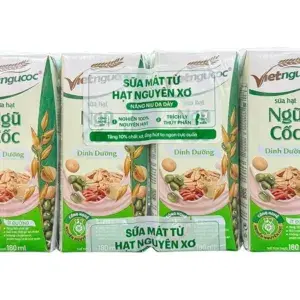
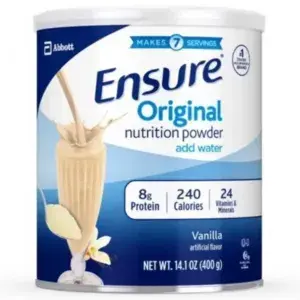
Các sản phẩm dưới đây đang được phân phối chính hãng tại Lym với đầy đủ thông tin công bố nhãn hàng hóa: