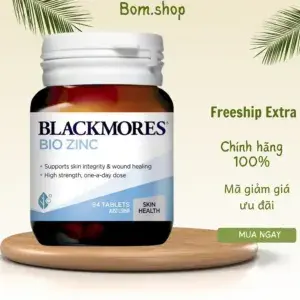
Supplementing Vitamin C and Zinc Properly: Best Timing, Dosage, and Absorption Tips for Adults
In busy urban life, diets low in fresh vegetables and fruit combined with work stress and sleep loss leave many adults feeling fatigued when seasons change. When it comes to micronutrients supporting natural immune defense, Vitamin C (Ascorbic Acid) and Zinc and Vitamin C are the top duo recommended by nutritionists. Yet what is the best time of day to take Vitamin C and Zinc for optimal absorption without stomach upset? This guide covers the science-backed principles.
1. Synergistic Roles of Vitamin C and Zinc in the Body
Both Vitamin C and Zinc are essential micronutrients that the body cannot synthesize or store in large reserves, requiring regular intake through food or Vitamins & Minerals:
- Role of Vitamin C: A water-soluble antioxidant that neutralizes free radicals, serves as an essential cofactor for Collagen synthesis to maintain skin and respiratory mucosal barriers, and enhances non-heme iron absorption.
- Role of Zinc: Activates over 300 metabolic enzymes, supports cell division, protein synthesis, taste perception, sebum regulation, and immune cell function.
- Synergistic Action: Vitamin C reinforces epithelial barriers and cellular antioxidant defense while Zinc supports cellular immunity—creating dual support for Immunity Boost and Skin & Personal Protection.
2. Recommended Daily Intake and Common Organic Zinc Forms
According to the Recommended Dietary Allowances (RDA) for Vietnamese adults:
- For Vitamin C: Baseline adult requirement is 70mg – 100mg/day. In supplements within the Health & Dietary Supplementscategory, dosages typically range from 100mg – 500mg/day. Avoid prolonged megadosing.
- For Elemental Zinc: Average recommended intake is 8mg – 11mg/day, with a tolerable upper intake level (UL) of 40mg/day for adults.
- Prefer Organic (Bio-Available) Zinc Salts: Organic chelated/salt forms such as Zinc Gluconate, Zinc Picolinate or Zinc Bisglycinate offer superior intestinal solubility, bioavailability, and stomach comfort compared to inorganic Zinc Sulfate.

3. Best Time of Day to Take Vitamin C and Zinc
3.1. Can Vitamin C and Zinc Be Taken Together?
Yes, absolutely. Vitamin C and Zinc do not compete for intestinal absorption pathways. Modern formulations conveniently combine balanced Zinc Gluconate and Vitamin C in a single once-daily tablet.
3.2. Golden Timing: 15–30 Minutes After Breakfast or Lunch
- Do not take on an empty stomach: Taking zinc or acidic vitamin C on an empty stomach can cause mild nausea. The ideal time is 15–30 minutes after breakfast or lunch.
- Take with a full glass of water: Swallow with 200ml–250ml of water and maintain 1.5–2 liters of hydration throughout the day.
- Avoid high-dose Vitamin C late at night: Prevents mild restlessness or nighttime urination in sensitive individuals.
4. Whole-Food Sources and Absorption Inhibitors to Avoid
Supplements work best alongside a varied whole-food diet:
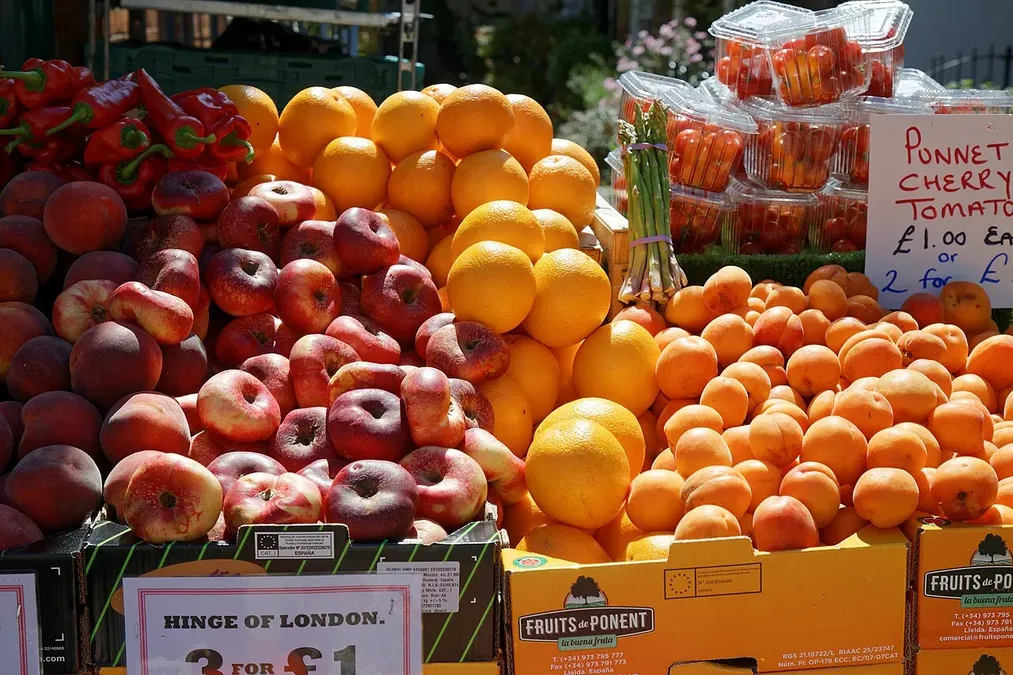
- Vitamin C-Rich Foods: Guava, oranges, pomelo, kiwi, strawberries, bell peppers, and broccoli (note that Vitamin C is heat-sensitive during prolonged cooking).
- Zinc-Rich Foods: Oysters, lean beef, poultry, eggs, seeds/nuts (pumpkin seeds, cashews, almonds), and whole grains in our Nutritious Foods.
- Avoid taking simultaneously with strong tea, coffee, or high-dose Iron/Calcium: Compounds like tannin in strong tea and caffeine in coffee can bind zinc and reduce absorption. Likewise, space high-dose Calcium or Iron supplements at least 2 hours apart from Zinc to prevent absorption competition.
5. Bảng nhu cầu khuyến nghị (RDA) và ngưỡng dung nạp tối đa (UL) của Vitamin C và Kẽm
Dưới đây là mức khuyến nghị hằng ngày và ngưỡng giới hạn trên an toàn ở người trưởng thành dựa trên tài liệu của Viện Dinh dưỡng Quốc gia, NHS và Harvard T.H. Chan School of Public Health:
| Micronutrients | Nhu cầu khuyến nghị người lớn (RDA/ngày) | Giới hạn trên an toàn (UL/ngày) | Nguồn thực phẩm tự nhiên giàu vi chất |
|---|---|---|---|
| Vitamin C (Ascorbic Acid) | 70 mg – 100 mg/ngày (tăng thêm ở phụ nữ mang thai, cho con bú) | 2.000 mg/ngày (dùng quá liều dễ gây rối loạn tiêu hóa, tăng oxalat niệu) | Ổi, ớt chuông ngọt, cam, bưởi, kiwi, dâu tây, bông cải xanh |
| Kẽm nguyên tố (Nam trưởng thành) | 10 mg – 11 mg/ngày | 40 mg/ngày (theo Harvard / Viện Y học Hoa Kỳ; NHS khuyến nghị không tự bổ sung quá 25 mg/ngày kéo dài) | Hàu biển, thịt bò nạc, hạt bí ngô, hạt điều, đậu lăng, ngũ cốc nguyên cám |
| Kẽm nguyên tố (Nữ trưởng thành) | 8 mg/ngày (tăng lên 11–12 mg khi mang thai và cho con bú) | 40 mg/ngày (lạm dụng kẽm liều cao kéo dài có thể gây cản trở hấp thu Đồng và Sắt) | Thịt gia cầm, trứng, sữa chua, hạt hạnh nhân, đậu xanh, yến mạch |
6. When to Consult a Physician?
Vitamin C and Zinc supplementation is for nutritional support only. Consult a physician in the following situations:
- History of oxalate kidney stones, iron overload disorders, or active peptic ulcers before taking high-dose Vitamin C.
- Children with prolonged poor appetite or slow growth should be evaluated by a pediatrician for weight-based zinc dosing.
- Taking Quinolone or Tetracycline antibiotics (space at least 2 hours apart from zinc).
- High fever, purulent sore throat, cough lasting over 7 days, or shortness of breath — seek prompt medical evaluation.
7. Nguồn tham khảo
- Harvard T.H. Chan School of Public Health — Vitamin C — The Nutrition Source (RDA, UL and Food Sources): https://nutritionsource.hsph.harvard.edu/vitamin-c/
- Harvard T.H. Chan School of Public Health — Zinc — The Nutrition Source (Absorption, Deficiency and Toxicity): https://nutritionsource.hsph.harvard.edu/zinc/
- NHS (UK National Health Service) — Vitamin C — Vitamins and Minerals Guide: https://www.nhs.uk/conditions/vitamins-and-minerals/vitamin-c/
- Viện Dinh dưỡng Quốc gia — Bộ Y tế — Phòng chống thiếu vi chất dinh dưỡng cho cộng đồng: https://viendinhduong.vn/vi/nutritional-issues/thieu-vi-chat-dinh-duong
Gợi ý sản phẩm chính hãng liên quan chủ đề
Các sản phẩm dưới đây đang được phân phối chính hãng tại Lym với đầy đủ thông tin công bố nhãn hàng hóa:
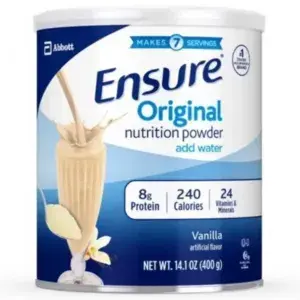
Sua Bot Dinh Duong Ensure Original 400gr Huong Vani – Bo Sung Vitamin va Khoang Chat cho Nguoi Gia va Tre Em Suy Dinh Duong
Original price was: 828.000₫.690.000₫Current price is: 690.000₫.
Unicity LC – Dinh Duong Thay The Bua An Socola – Ho Tro Giam Can & Tang Can, 20 Sachet Box of
Original price was: 1.584.000₫.1.370.000₫Current price is: 1.370.000₫.