How to Choose Low-Sugar, Refined-Sugar-Free Beverages and Safe Green Living for Modern Families

In recent years, Vietnamese household consumption habits have shifted noticeably: instead of sugary sodas or harsh chemical cleaners, modern families carefully read ingredient labels to choose low-sugar, refined-sugar-free beverages and plant-based bio-enzyme household products. This shift reflects a deeper awareness of reducing empty calories and protecting family health and the home environment.
1. WHO Guidelines on Free Sugars and the Impact of “Empty Calories”
According to World Health Organization (WHO) nutrition guidelines, intake of free sugars — including table sugar (sucrose) and high-fructose corn syrup (HFCS) added to foods and beverages — should be limited to under 10% of total daily energy, and ideally reduced to under 5% of total energy (about 25g of sugar, or 5–6 teaspoons per day) for adults.
- Delivering “Empty Calories”: High calories with virtually no vitamins, minerals, or fiber, contributing to visceral fat accumulation and weight gain.
- Rapid Blood Sugar Spikes and Crashes (Sugar Crash): Spikes blood glucose right after drinking followed by a sharp drop 1–2 hours later, causing sluggishness, drowsiness, and sugar cravings.
2. How to Read Nutrition Facts Labels to Spot “Hidden Sugars” in Drinks
When choosing products in the Beverages & Refreshments subcategory under Food & Beveragescategory, carefully check the Nutrition Facts panel on the back:
- Check “Total Sugars” and “Added Sugars”: Note whether values are per 100ml or per full container (330ml–500ml). 10g sugar per 100ml means 50g sugar in a 500ml bottle.
- Spot alternative names for refined sugar: Beyond “Sugar” (Sucrose), added sugars appear as High-Fructose Corn Syrup (HFCS), Glucose Syrup, Maltose, Dextrose, or Maltodextrin. Ingredients listed closer to the top are present in higher proportions.

3. Natural Botanical Alternatives: Monk Fruit, Chrysanthemum, and Erythritol
Cutting refined sugar does not mean giving up flavorful refreshment. Modern healthy beverages use natural botanical sweeteners to satisfy Refreshment & Energy:
- Monk Fruit Extract and Stevia: Contain natural plant glycosides (such as Mogroside in monk fruit) that provide a clean, gentle sweetness with zero calories and no glycemic spike.
- Erythritol: A natural sugar alcohol (polyol) found in fermented fruits with virtually zero calories (0–0.2 kcal/g) that oral bacteria cannot ferment into acid, making it tooth-friendly.
- Traditional Herbal Infusions: Beverages blending monk fruit, chrysanthemum, and electrolyte minerals quench thirst on hot days with 0g refined sugar.
4. Extending Green Living: Bio-Enzyme Dishwashing & Kitchen Care
A healthy meal starts not only with clean food and drinks, but also with residue-free dishes and cookware. That is why Eco-Friendly Home Essentials featuring products from the Eco-Friendly Home Care subcategory under Household & Consumer Goods is increasingly popular:
- Bio-Enzyme Technology Fermented from Fruit Peels (pineapple, orange, pomelo): Natural enzymes paired with mild coconut-derived surfactants (such as Decyl Glucoside) rapidly break down grease on dishes, rinse clean effortlessly, and leave no harsh synthetic fragrance residue on drinking glasses.
- Gentle on Hands & Readily Biodegradable: Prevents dry, peeling hands and reduces persistent chemical discharge into waterways.
5. Bảng so sánh hàm lượng đường bổ sung trong các nhóm đồ uống phổ biến
Đối chiếu hàm lượng đường tự do trong mỗi khẩu phần đồ uống (330ml – 500ml) với ngưỡng khuyến nghị dưới 25g – 30g đường/ngày của các tổ chức y tế:
| Nhóm đồ uống (Khẩu phần 330ml – 500ml) | Lượng đường tự do ước tính | Tác động chuyển hóa & Răng miệng | Khuyến nghị sử dụng |
|---|---|---|---|
| Nước ngọt có ga / Trà đóng chai nhiều đường | 32 g – 45 g đường (tương đương 7 – 9 muỗng cà phê đường) | Làm tăng vọt đường huyết sau uống, cung cấp calo rỗng, tăng nguy cơ sâu răng và thừa cân | Hạn chế tối đa trong thực đơn hằng ngày của trẻ em và người lớn |
| Trà sữa pha chế thêm trân châu và siro | 40 g – 60 g đường + chất béo bão hòa từ kem béo | Vượt gấp đôi ngưỡng đường khuyến nghị cả ngày chỉ trong 1 ly đồ uống | Chỉ dùng rất hạn chế; nếu uống nên chọn mức không đường hoặc giảm tối đa đường |
| Thức uống thảo mộc (La hán quả, Cúc hoa, Trà xanh) không đường tinh luyện | 0 g đường tinh luyện (sử dụng vị thanh tự nhiên từ thảo mộc / Erythritol) | Không gây dao động đường huyết đột ngột, hỗ trợ bù nước thanh mát mỗi ngày | Phù hợp thay thế nước ngọt giải khát cho gia đình và người kiểm soát cân nặng |
6. When to Consult a Physician?
Choosing low-sugar drinks is a great preventive habit, but consult an endocrinologist or nutritionist if you notice:
- Persistent thirst despite drinking plenty of fluids, frequent urination (especially at night), rapid hunger, fatigue, or unexplained weight loss — screen fasting blood glucose and HbA1c.
- Individuals diagnosed with diabetes, prediabetes, fatty liver, or metabolic syndrome should follow a personalized carbohydrate plan from their physician.
- Individuals with Irritable Bowel Syndrome (IBS) sensitive to FODMAPs/polyols should moderate polyol intake and consult a dietitian if bloating occurs.
7. Nguồn tham khảo
- Harvard T.H. Chan School of Public Health — Healthy Drinks — The Nutrition Source: https://nutritionsource.hsph.harvard.edu/healthy-drinks/
- Harvard T.H. Chan School of Public Health — Added Sugar in the Diet — Health Risks and Guidelines: https://nutritionsource.hsph.harvard.edu/carbohydrates/added-sugar-in-the-diet/
- CDC (U.S. Centers for Disease Control and Prevention) — Rethink Your Drink — Reducing Added Sugars from Beverages: https://www.cdc.gov/healthy-weight-growth/rethink-your-drink/index.html
- NHS (UK National Health Service) — Sugar: the facts — How does sugar in our diet affect our health?: https://www.nhs.uk/live-well/eat-well/food-types/how-does-sugar-in-our-diet-affect-our-health/
Gợi ý sản phẩm chính hãng liên quan chủ đề
Các sản phẩm dưới đây đang được phân phối chính hãng tại Lym với đầy đủ thông tin công bố nhãn hàng hóa:
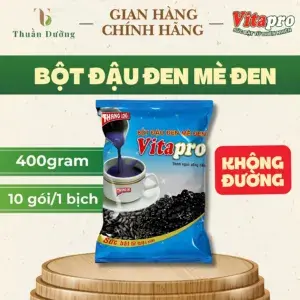
Bot Dau Den Me Den Vitapro – Khong Duong – 400Gram – 1 Bich 10 Sachet – authentic
Original price was: 85.000₫.80.000₫Current price is: 80.000₫.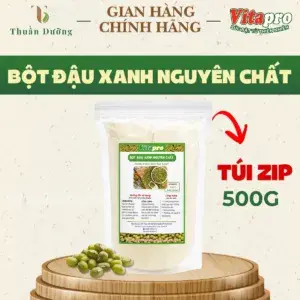
Bot Dau Xanh Nguyen Chat Vitapro 500G – Khong Duong – Dang Pouch Zip – Thanh Nhiet, Dinh Duong
Original price was: 98.000₫.89.000₫Current price is: 89.000₫.