Exercise & Muscle Recovery: Pre-, Intra-, and Post-Workout Nutrition Principles for Active Adults
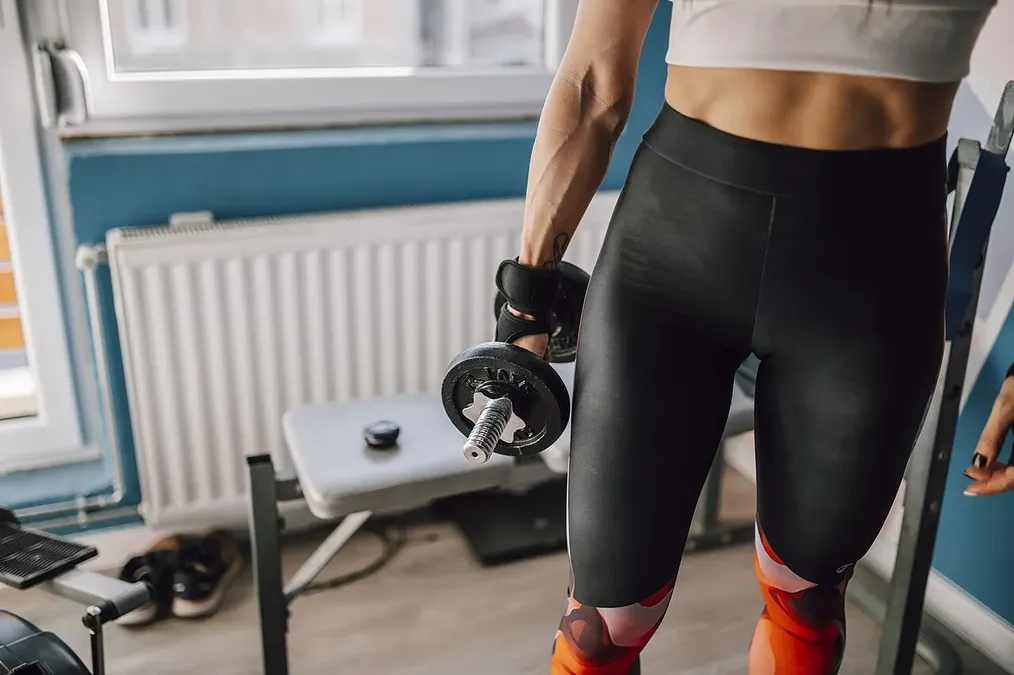
Many beginners in running, gym workouts, swimming, or sports focus 100% on sets and weights while overlooking the two factors that determine up to 70% of fitness results: properly timed nutrition and post-workout recovery. Exercise physiology shows that muscles grow stronger not while lifting or running, but during rest and nutrient replenishment afterward. This guide helps you build a structured nutrition and recovery strategy for every workout.
1. What Happens to Your Muscles and Energy Reserves During Exercise?
During endurance training (running, cycling, cardio) or resistance training (weightlifting, pilates, calisthenics), three physiological processes occur simultaneously:
- Glycogen Depletion: Muscles draw on stored Glycogen in muscle and liver tissue to generate ATP for contraction. Exercising on a completely empty stomach after a long workday leads to rapid fatigue, dizziness, and reduced performance.
- Muscle Fiber Micro-Tears: Mechanical tension creates microscopic tears in muscle fibers—the natural stimulus for amino acid repair that builds stronger, more resilient muscle when properly nourished.
- Fluid and Electrolyte Loss via Sweat: Sweating cools the body but depletes water alongside essential minerals including Sodium (Na+), Kali (K+) and Magnesium (Mg2+).
2. 45–90 Minutes Pre-Workout: Sustained Fuel Without Stomach Heaviness
The goal of a pre-workout snack is slow-release energy without gastric discomfort. Ideal choices from the Nutritious Foods category include:
- 60–90 minutes before exercise: A small serving (35g–40g) of Honey-baked nut granola and whole-grain oats paired with unsweetened yogurt or plant milk. Complex carbohydrates from oats combined with healthy fats from cashews and almonds keep blood sugar steady throughout your workout, supporting Refreshment & Energy.
- 30 minutes before exercise (if short on time): One small ripe banana and 200ml–250ml of water so you start your warm-up well hydrated.
- Avoid before workouts: Greasy fried foods, fast food, or heavily sweetened carbonated drinks that cause bloating and side stitches.

3. Intra-Workout: Hydration and Electrolyte Replenishment Strategy
Do not wait until the end of your workout to drink. Losing just 2% of body weight in sweat can reduce muscular endurance by 10%–20%:
- For light workouts under 45 minutes indoors: Take 2–3 small sips of plain water (100ml–150ml) every 15–20 minutes.
- For workouts over 45–60 minutes or heavy sweating: Choose sugar-free herbal electrolyte beverages from the Beverages & Refreshments subcategory under Food & Beverages. Timely replenishment of
Na+,K+,Mg2+ions maintains neuromuscular transmission and helps prevent calf cramps.
4. Post-Workout: The 3R Principle for Rapid Muscle Recovery
Within 30–120 minutes after exercise, muscle cells are highly receptive to nutrient uptake. Apply the 3R Principle of Sports Nutrition:
- Rehydrate (Restore fluids and electrolytes): Drink 400ml–600ml of water or refreshing electrolyte beverage to restore normal fluid balance.
- Refuel (Replenish Glycogen stores): Consume a moderate portion of healthy carbohydrates (sweet potatoes, brown rice, oats, fresh fruit) to restore depleted glycogen.
- Repair (Rebuild muscle fibers with Protein & Micronutrients): Consume 20g–30g of high-quality protein (chicken breast, fish, eggs, tofu, dairy, or nuts) alongside Vitamins & Minerals (such as antioxidant Vitamin C and Zinc for muscle protein synthesis), actively supporting Immunity Boost in active individuals.
5. Bảng chiến lược dinh dưỡng Trước – Trong – Sau buổi tập (Pre / Intra / Post-Workout)
Áp dụng khung thời gian nạp dưỡng chất dưới đây giúp tối ưu hóa dự trữ Glycogen và đẩy nhanh tốc độ phục hồi sợi cơ sau vận động:
| Giai đoạn buổi tập | Mục tiêu sinh lý cốt lõi | Nhóm dưỡng chất ưu tiên | Gợi ý thực phẩm thực tế dễ chuẩn bị |
|---|---|---|---|
| Trước buổi tập 60 – 90 phút (Pre-workout) | Cung cấp glucose ổn định, tránh hạ đường huyết và tránh đầy tức dạ dày | Tinh bột hấp thu chậm (Complex Carbs) + một lượng nhỏ Protein, ít béo | 35–40g Granola yến mạch trộn sữa chua không đường, hoặc 1 lát bánh mì nguyên cám + 1 quả chuối chín |
| Trong lúc tập luyện (Intra-workout) | Duy trì thể tích huyết tương, điều hòa thân nhiệt và dẫn truyền thần kinh – cơ | Nước lọc tinh khiết (buổi tập <45p) hoặc Nước bù khoáng điện giải Na+, K+, Mg2+ (buổi tập >45–60p) | Nhấp từng ngụm 150–200 ml mỗi 15–20 phút vận động |
| Sau buổi tập 30 – 90 phút (Post-workout — Nguyên tắc 3R) | Rehydrate (Bù nước) + Refuel (Tái nạp Glycogen) + Repair (Tổng hợp protein cơ) | 20–30g Protein chất lượng cao kết hợp Carbohydrate lành mạnh và rau quả giàu chất chống oxy hóa | Ức gà/cá hồi áp chảo + khoai lang/cơm gạo lứt + rau xanh, hoặc bữa phụ sữa chua Hy Lạp + hạt dinh dưỡng |
6. When to Consult a Physician?
Mild muscle soreness 24–48 hours after a new workout (DOMS) is normal and resolves within a few days. However, stop exercising immediately and consult a sports medicine or orthopedic physician if you experience:
- Sudden sharp pain during a movement accompanied by a popping sound, rapid swelling, bruising, or limited joint motion (suspected muscle tear, sprain, or ligament injury).
- Localized joint pain (knee, ankle, shoulder, lower back) lasting more than 1 week without improvement at rest.
- Severe generalized muscle pain after extreme exertion accompanied by dark brown or tea-colored urine — a medical emergency (suspected acute rhabdomyolysis) requiring immediate hospital care.
- Chest tightness, abnormal shortness of breath, irregular heartbeat, or near-fainting during exertion.
7. Nguồn tham khảo
- Harvard T.H. Chan School of Public Health — Staying Active — Physical Activity and Nutrition Guide: https://nutritionsource.hsph.harvard.edu/staying-active/
- Harvard T.H. Chan School of Public Health — Workout Supplements — Evidence, Protein and Hydration: https://nutritionsource.hsph.harvard.edu/workout-supplements/
- CDC (U.S. Centers for Disease Control and Prevention) — Benefits of Physical Activity and Adult Guidelines: https://www.cdc.gov/physical-activity-basics/benefits/index.html
- NHS (UK National Health Service) — Physical activity guidelines for adults aged 19 to 64: https://www.nhs.uk/live-well/exercise/physical-activity-guidelines-for-adults-aged-19-to-64/
Gợi ý sản phẩm chính hãng liên quan chủ đề
Các sản phẩm dưới đây đang được phân phối chính hãng tại Lym với đầy đủ thông tin công bố nhãn hàng hóa: